
Building a Profitable Service Line Without Losing Patient Trust
A dry eye growth panel on how ophthalmology practices build a financially sustainable dry-eye service line without compromising clinical judgment or patient trust — keeping recommendations clinically grounded, choosing the right service model, and helping patients understand both their condition and their options.
-
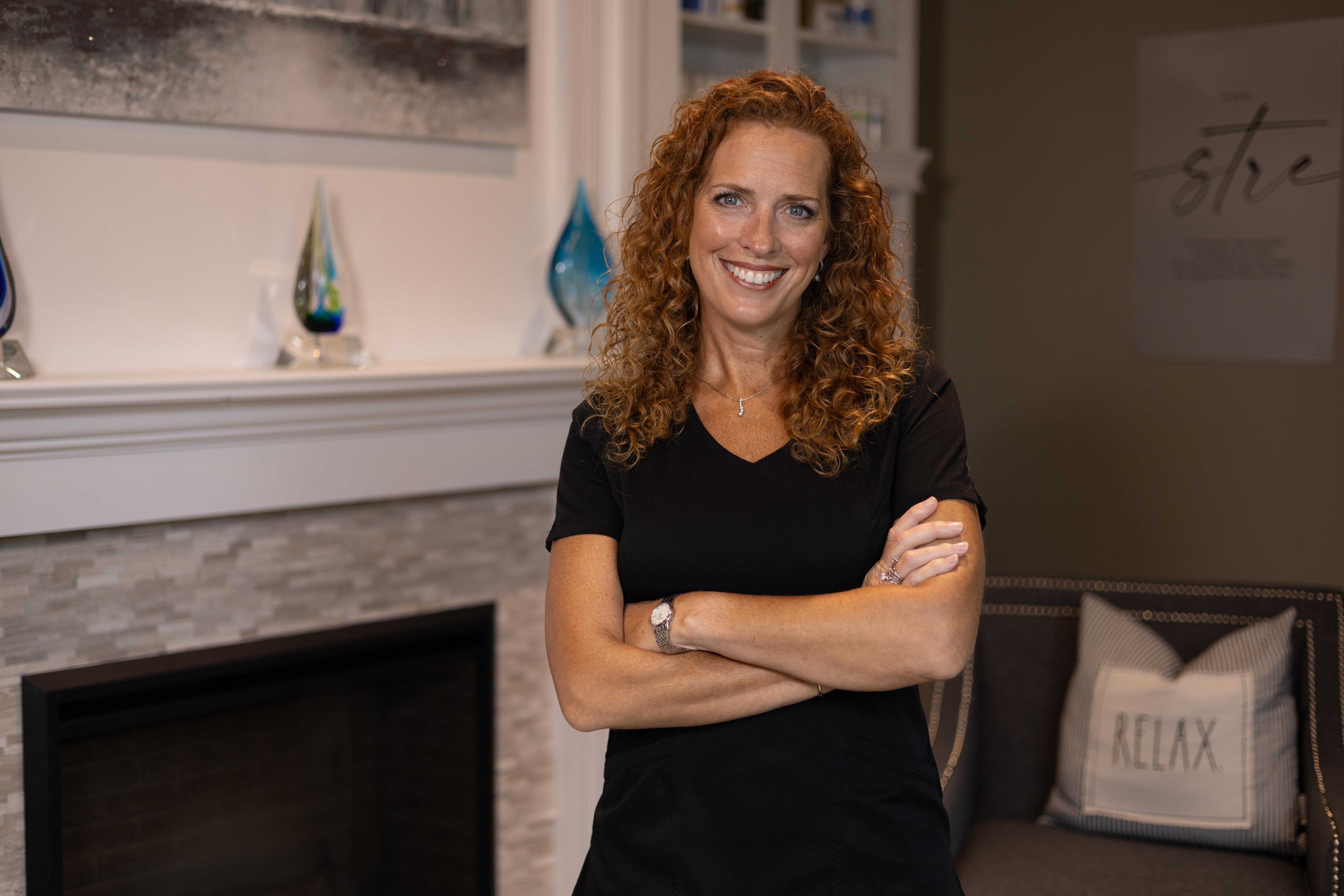
Dr. Crystal Brimer
Owner & Founder · Dry Eye Institute & Dry Eye Equation
-
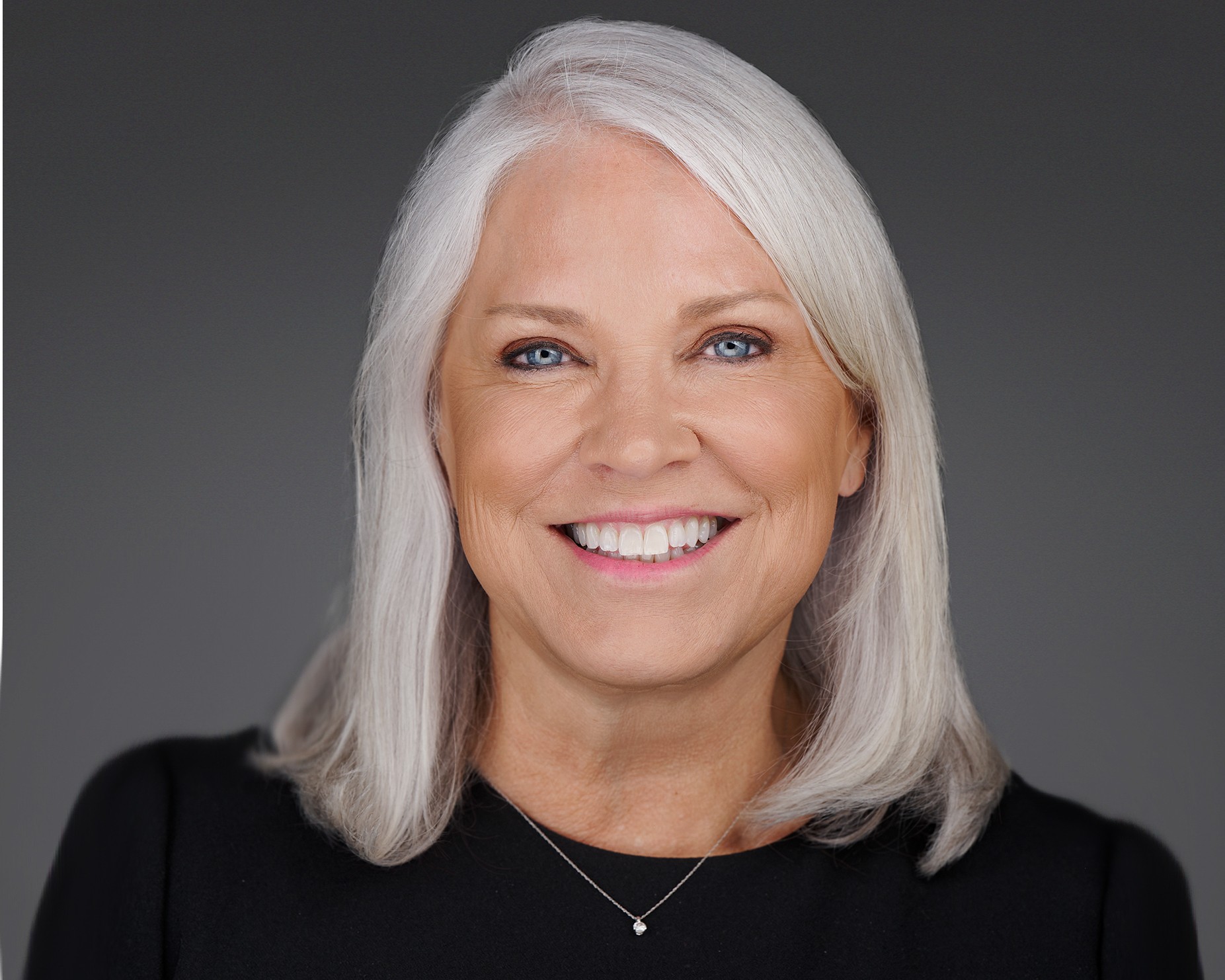
Patti Barkey, COE
Director of Sales Strategy, Practice Development · Bausch Surgical
-
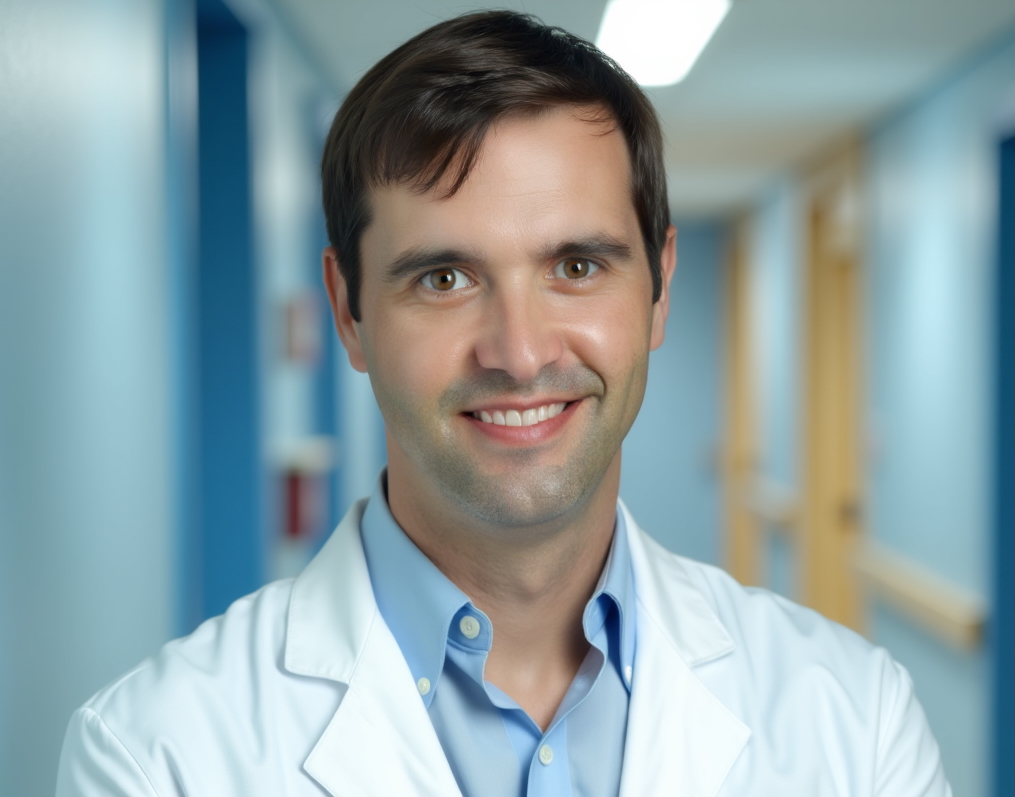
Bradley Barnett, MD, PhD
CEO & Refractive Surgeon · California LASIK & Eye
-
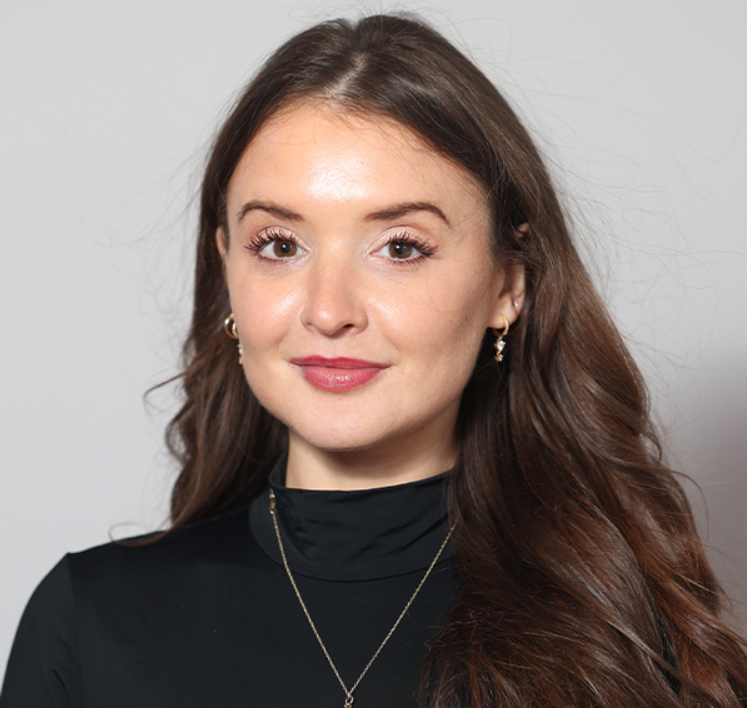
Stephanie Doherty, MSc, BSc (Hons) Optometry, MCOptom
Specialist Optometrist · Eye Clinic London
Reserve your free spot
Complimentary to attend. The replay is sent to everyone who registers.
What we'll cover
How an ophthalmology practice can introduce cash-pay dry-eye services while keeping every recommendation clinically grounded and patient-centred.
Meibography, osmolarity, MMP-9, and other diagnostics: which tools genuinely improve clinical decisions, patient understanding, treatment acceptance, or financial performance enough to justify their cost.
Is dry eye better developed as a high-volume extension of routine medical care or as a dedicated, higher-touch specialty service?
Which parts of the dry-eye patient journey should remain physician-led, and where optometrists, technicians, and care coordinators can take greater ownership.
Grow a dry-eye program that stays patient-centred
Join the Ophthalmology Business Academy for a focused discussion on how ophthalmology practices can build a financially sustainable dry-eye service line without compromising clinical judgment or patient trust. The panel will explore the decisions practices face when expanding cash-pay care, including how to keep recommendations clinically grounded, determine the right service model, and create an experience that helps patients understand both their condition and their treatment options.
This discussion will examine how practices can evaluate the clinical and business value of diagnostics such as meibography, osmolarity, and MMP-9, decide between a higher-volume care model and a more specialized service, and structure the patient journey across physicians, optometrists, technicians, and care coordinators. The goal is to identify practical approaches that support better clinical decisions, clearer patient communication, stronger team utilization, and a dry-eye program that can grow responsibly while remaining patient-centred.
This panel is for you if…
- You own, lead, or manage an ophthalmology practice
- You're launching or expanding cash-pay dry-eye services
- You're unsure which diagnostics are worth the investment
- You want a service model that grows without eroding patient trust
- You want ODs, technicians, and coordinators to own more of the dry-eye journey
Who's on the panel
-
Dr. Crystal Brimer is a Fellow of the AAO and primary clinical investigator who, after 18 years in practice, made a pivotal shift in 2017/2018 — designing the Oculus 5M software platform, converting her Wilmington, NC office into a thriving specialty dry eye referral center, and founding the Dry Eye Institute to equip doctors nationwide with the clinical knowledge and logistical tools to build their own dry eye practices, whether standalone or within an existing practice. Dr. Brimer is known for her passion to lecture and consult in the field of ocular surface disease, but she is equally driven by closing gaps in patient care — a mission that led her to found a nonprofit dedicated to helping patients access the out-of-pocket procedures they need.
-
Patti Barkey, COE, has 45 years of experience in eye care and has worked on both the practice side and the industry side of the business. She is the creator of the original Dry Eye University Program, which taught practices the integration of dry eye care over 10 years. Her passion lies not only in advancing the care of dry eye disease patients but also in the adoption of advanced technology intraocular lens implants.
-
Bradley Barnett, MD, PhD, is a cornea and refractive surgeon, physician-scientist, and founder of California LASIK & Eye in Sacramento. He earned his medical degree and PhD in pharmacology and also completed his ophthalmology residency at Johns Hopkins, then pursued fellowship training in cornea and external disease at UC San Diego. His clinical and research interests include dry eye disease, ocular surface health, and innovative approaches to delivering medications to the eye. He brings a scientist's curiosity and a clinician's perspective to conversations about dry eye, helping connect emerging research with everyday patient care.
-
Stephanie Doherty is an optometrist working in a specialist ophthalmology clinic in central London, with a particular focus on dry eye disease and ocular surface health. She specialises in the assessment and management of complex dry eye, using a multifactorial approach that combines advanced diagnostics, in-clinic treatments and personalised long-term management. Alongside clinical practice, Stephanie is involved in professional education, speaking and collaborative projects within the dry eye and ocular surface field.